


How to Store and Handle Cooked Foods Safely
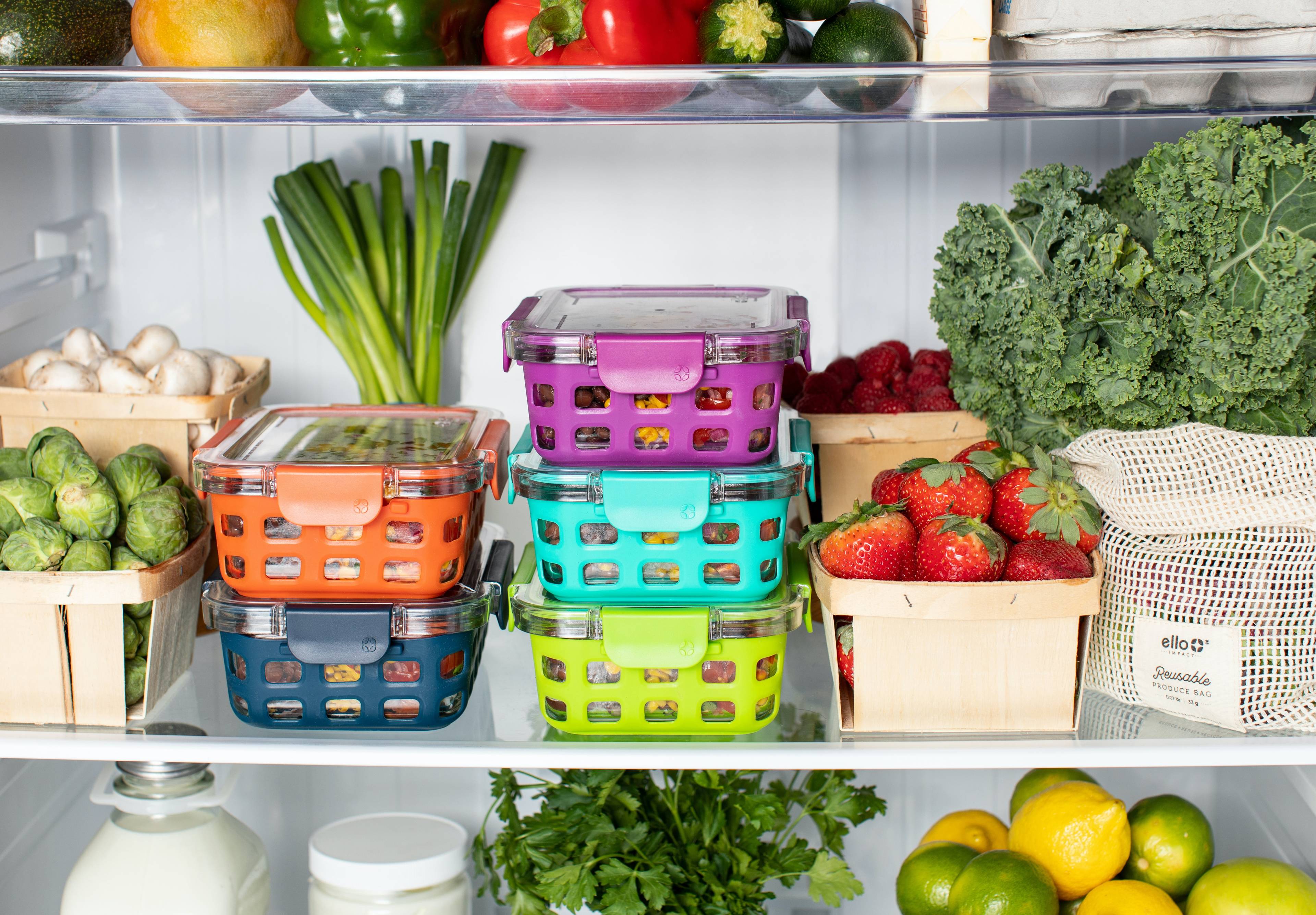
Key Principles of Safe Food Storage
It’s so important to ensure that you store any food correctly to prevent any spoilage or, worse, someone getting ill. Here are the key considerations to keep in mind.
Store Foods at the Right Temperature
The “danger zone” for bacteria growth is between 4°C (40°F) and 60°C (140°F). Foods left in this range for too long can develop harmful bacteria. Always keep your fridge below 4°C (40°F) and the freezer at -18°C (0°F). Use a thermometer to check temperatures periodically, as some refrigerators can vary.
Follow the Two-Hour Rule
After cooking, try to refrigerate or freeze leftovers within two hours to prevent bacteria growth. If the temperature is above 32°C (90°F), refrigerate within one hour. Don’t leave perishable foods out on the counter for extended periods.Label and Date Stored Foods
When storing cooked foods, label containers with the date they were prepared. This helps you keep track of how long items have been stored and prevents guessing about freshness. Aim to use or freeze leftovers within three to four days.
Safe Storage of Specific Cooked Foods
Now you’re aware of the golden rules, it’s time to apply them to specific types of food. Read on to learn the essentials for everything from meats to soups.
Cooked Meat and Poultry:
Cooked meat, such as chicken or beef, should be refrigerated and consumed within three to four days. When reheating, ensure it reaches an internal temperature of 74°C (165°F) to kill any bacteria. If you don’t plan to eat leftovers within a few days, freeze them to extend shelf life.
Rice and Grains:
Cooked rice and grains should be stored in airtight containers and kept in the fridge for up to four days. Rice, in particular, can develop bacteria called Bacillus cereus if left at room temperature for too long. Always refrigerate or freeze rice within two hours and reheat to steaming hot.Soups, Stews, and Sauces:
Soups, stews, and sauces should also be refrigerated within two hours and consumed within three to four days. If freezing, transfer them to airtight containers or freezer bags, leaving some room for expansion. Label containers and thaw in the refrigerator, not on the counter, for safe defrosting.
Reheating and Refreezing Foods Safely
While it’s always good to get the most out of your food, it’s crucial to ensure you’re careful when reheating and refreezing.
Reheat Thoroughly for Safe Consumption
When reheating, make sure that food reaches an internal temperature of 74°C (165°F). Use a food thermometer for accuracy. Stir or rotate food during reheating to ensure even heating, especially in microwaves where hot spots can occur.
Is it Safe to Refreeze Meat?
You can refreeze meat that has been thawed in the refrigerator, though its texture may change. Avoid refreezing meat that was thawed on the counter or in warm water, as this can lead to bacteria growth. When in doubt, cook it first before refreezing.Avoid Cross-Contamination
Keep raw and cooked foods separate in the fridge to avoid cross-contamination. Store cooked foods on higher shelves, while raw items should be kept on the bottom shelf to prevent drips. Always clean surfaces, utensils, and hands after handling raw meat.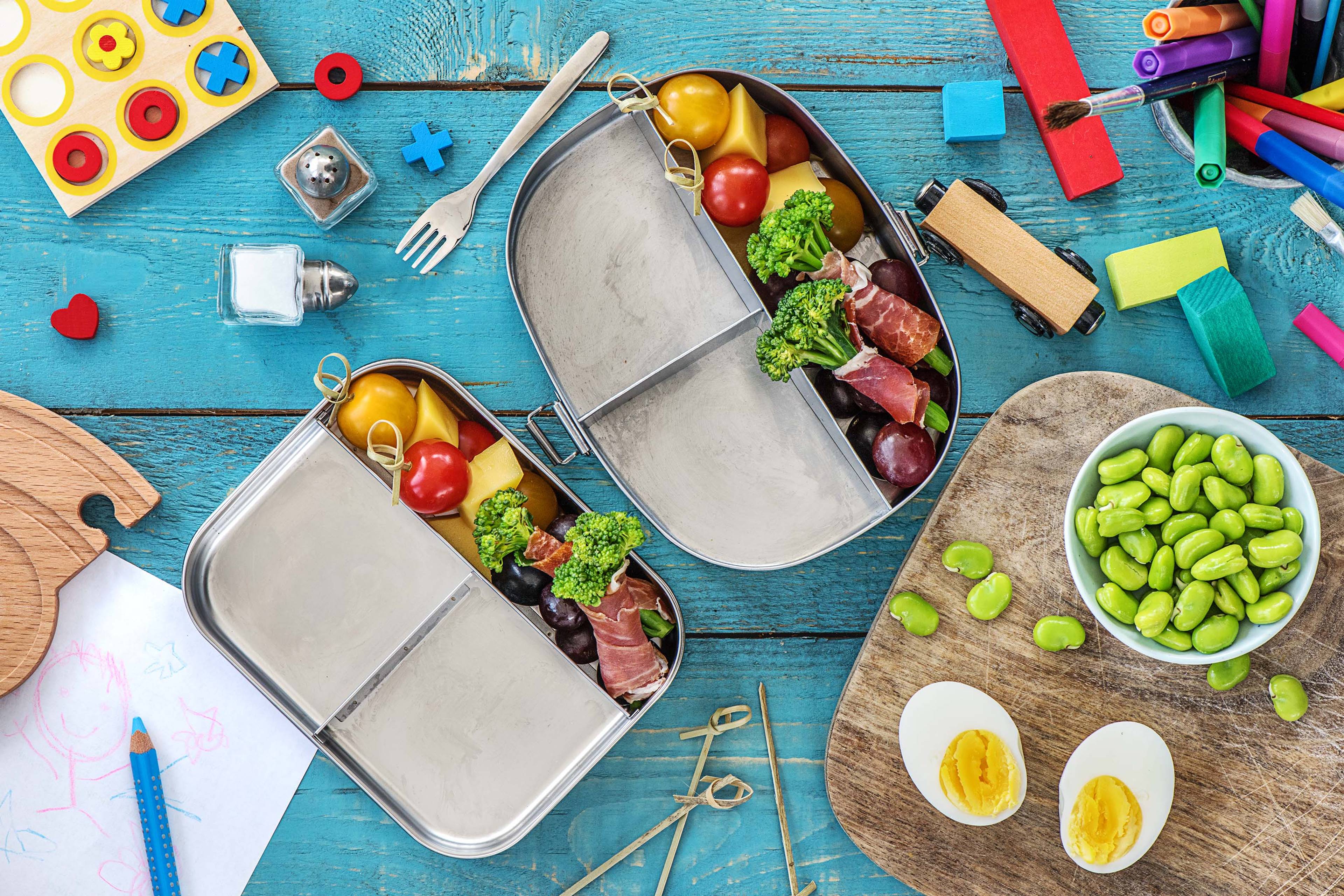
Tips for Safe Meal Prep and Storage
It’s a great feeling when you’re on a roll with meal prep but you should always keep these safety tips in mind.
Batch Cook and Freeze for Convenience
Batch cooking and freezing meals is a great way to save time and ensure you always have a healthy option on hand. Divide cooked dishes into single portions, cool completely, and freeze in labelled containers. Foods like soups, casseroles, and cooked grains freeze well.